Energy Healing: Hype, Hope, or a New Way to Live?
What if feeling better didn’t always start with a
pill?
Imagine this:
You’re stressed, your body feels heavy, your mind won’t slow down. Instead of
reaching for quick fixes, you pause, breathe, and shift something inside
you—and gradually, things begin to ease.
Sounds unrealistic? Maybe. But this is where energy
healing enters the conversation.
✨ So, What Is Energy Healing—Really?
At its core, energy healing is based on a simple idea:
your body isn’t just physical—it’s also energetic.
Ancient traditions called this life force “Prana.”
Today, people describe it as bioenergy, vibration, or simply “energy flow.”
When everything flows well, you feel:
- Calm
- Focused
- Balanced
When it doesn’t, you may experience:
- Stress and anxiety
- Fatigue
- Emotional heaviness
Energy healing practices aim to restore that
balance.
🧠 Why Are
People Talking About It Now?
Let’s be honest—modern life is overwhelming.
Deadlines, constant notifications, emotional burnout…
we’re all carrying more than we realize. That’s why people are exploring
approaches that go beyond just physical symptoms.
Energy healing isn’t new. It’s just becoming more
visible again.
Even today:
- Some hospitals use complementary therapies alongside treatment
- Researchers are studying mind-body connections
- Practices like meditation, breathwork, and visualization are
mainstream
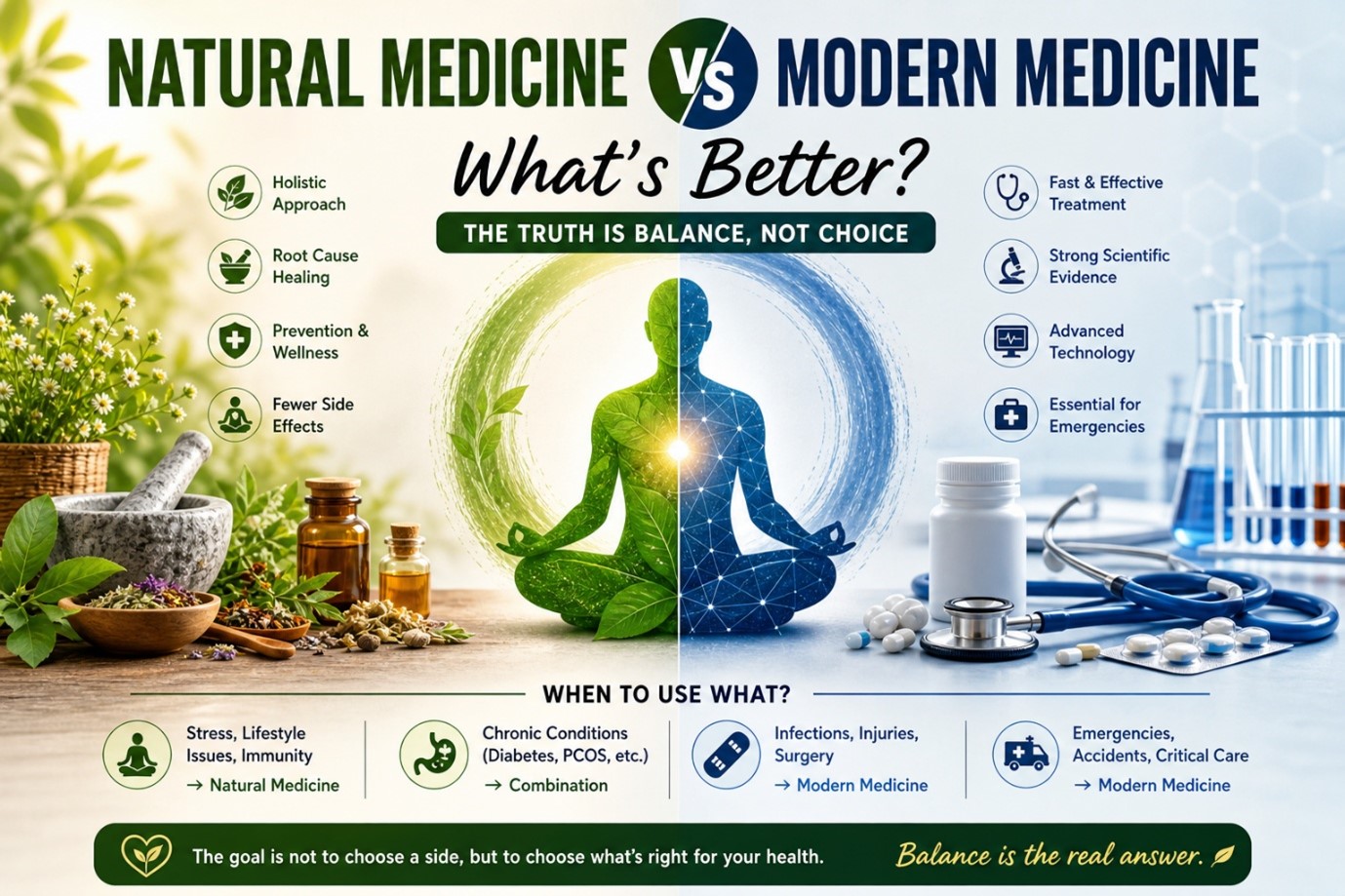
It’s not about replacing medicine—it’s about supporting
your overall wellbeing.
🔍 What Happens
During Energy Healing?
Different methods exist, but most involve:
- Relaxation
- Focused intention
- Awareness of breath and body
The idea is simple:
where attention goes, change begins.
Some people report:
- Feeling lighter or calmer
- Reduced stress
- Better emotional clarity
Others feel nothing at first—and that’s okay too.
⚠️ Let’s Keep It Real
Your original blog makes very strong claims—like
curing pain instantly or preventing future disease.
That’s where readers may start to disconnect.
A more grounded truth:
- Energy healing can support wellbeing
- It may help with stress, mindset, and emotional balance
- But it’s not a guaranteed cure or replacement for medical care
This shift actually makes your blog more
trustworthy—and more powerful.
🌱 The Bigger
Idea: You’re Not Powerless
The most valuable takeaway isn’t magic—it’s awareness.
You already influence your life through:
- Your thoughts
- Your reactions
- Your habits
Energy healing builds on this by encouraging:
- Intentional thinking
- Emotional regulation
- Inner awareness
Whether you believe in “energy” or not, those skills
matter.
🤔 Should You
Try It?
If you’re curious, approach it like an experiment—not
a belief system.
Try:
- A guided meditation
- Breathwork
- A beginner session with a practitioner
See how you feel. No pressure, no blind faith.
🌼 Final
Thought
Energy healing doesn’t have to be mysterious or
extreme.
At its best, it’s simply this:
learning to slow down, tune in, and support your own wellbeing in a deeper
way.
And in a world that constantly pulls your attention
outward—that alone is powerful.
🌿 Energy
Healing Explained: A Beginner’s Guide to Balance, Mind & Wellbeing
In today’s fast-paced world, stress, anxiety, and
burnout have become almost normal.
That’s why more people are searching for natural ways
to feel better—physically, mentally, and emotionally. One approach that’s
gaining attention is energy healing.
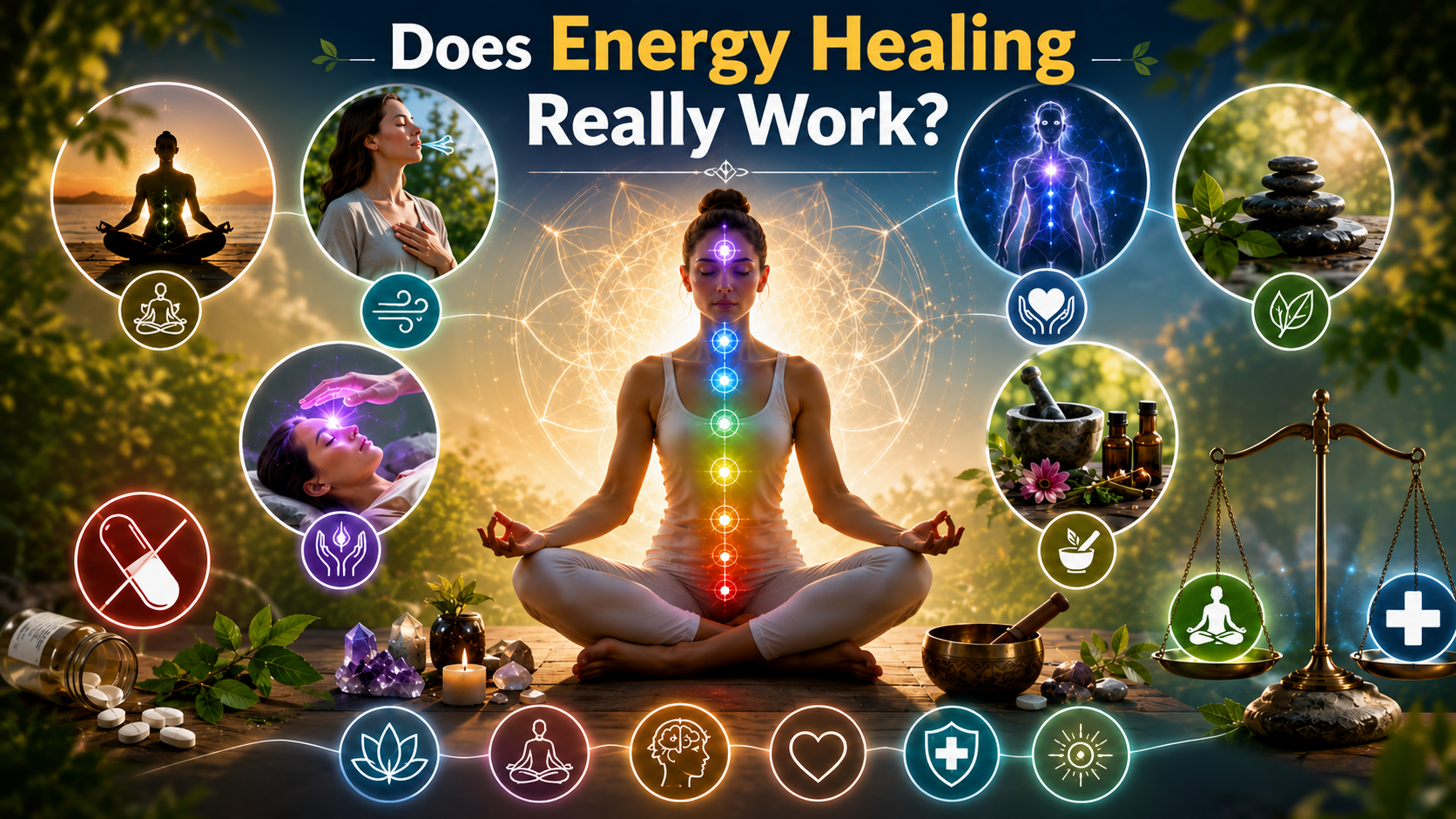
But what exactly is it? And does it really work?
Let’s break it down in a simple, practical way.
✨ What Is Energy Healing?
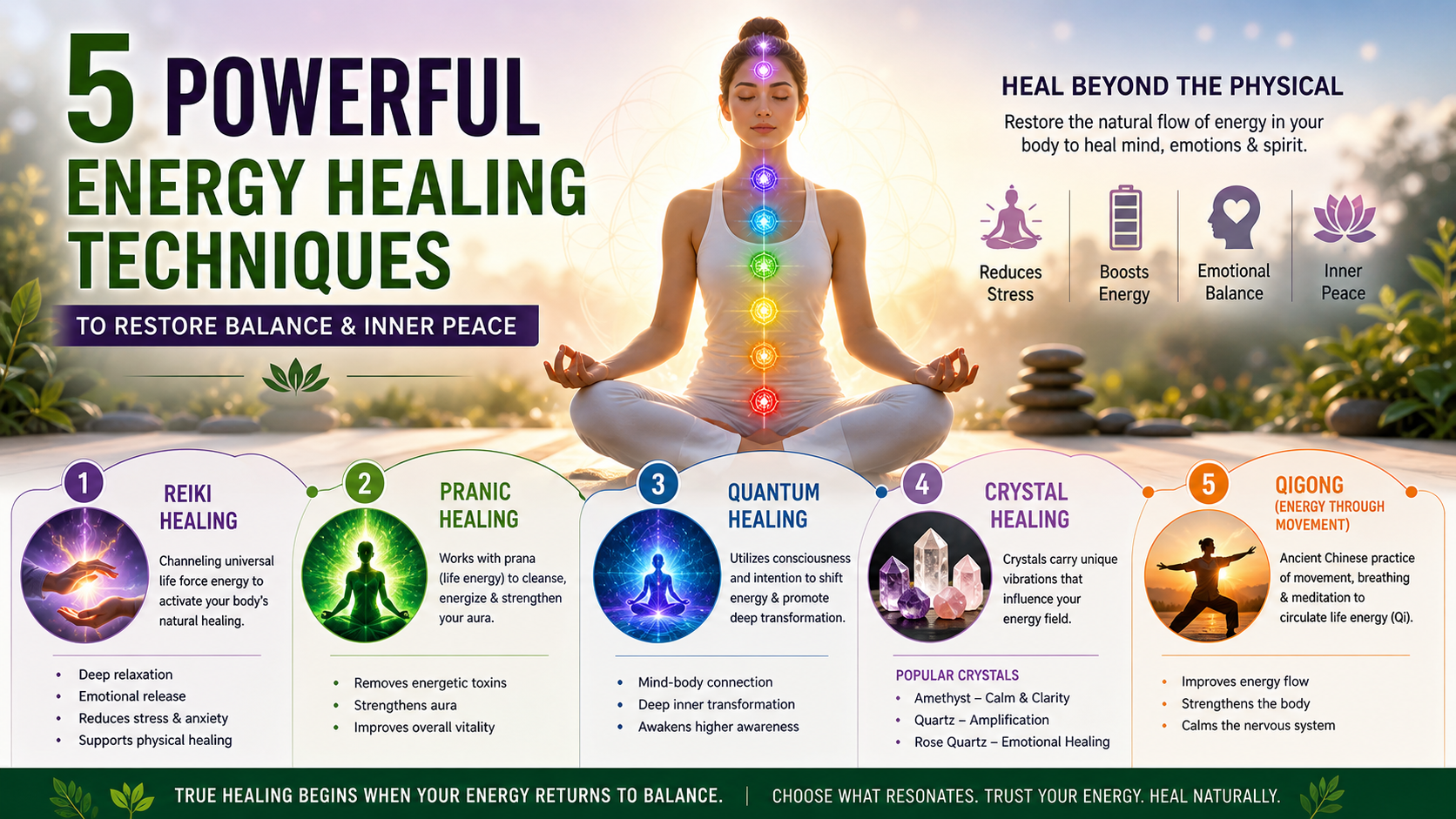
Energy healing is a
holistic practice based on the idea that the body has an energy system that
influences overall health and wellbeing.
This concept isn’t new.
In ancient Indian traditions, it’s known as Prana
(life force energy). In Chinese medicine, it’s called Qi. Today,
it’s often referred to as bioenergy or subtle energy.
The basic idea:
When your energy is balanced, you feel good. When it’s
blocked or disturbed, you may feel stressed, tired, or unwell.
🧠 Why Is
Energy Healing Becoming Popular?
Modern lifestyles are mentally exhausting.
People are now looking beyond just physical treatments
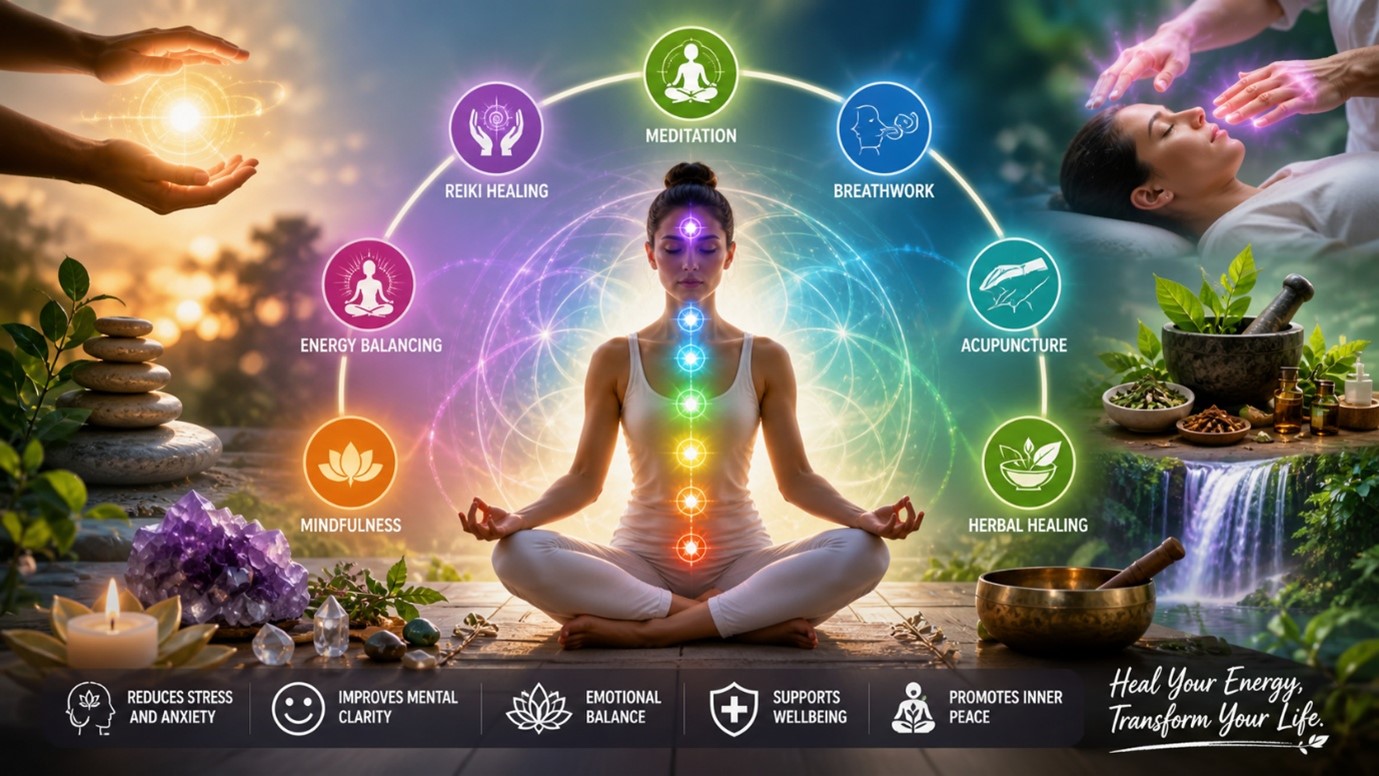
and exploring mind-body healing techniques like:
- Meditation
- Breathwork
- Reiki and energy healing
- Mindfulness practices
Even some healthcare systems now use complementary
therapies alongside traditional treatments to support recovery and reduce
stress.
This doesn’t replace medicine—it supports overall
wellbeing.
⚙️ How Does Energy Healing Work?
Energy healing techniques usually involve:
- Relaxation
- Focused intention
- Awareness of breath and body
The principle behind it is simple:
Your thoughts and attention can influence how your
body feels.
Practices like visualization, affirmation, and
mindfulness are often used to create a sense of calm and balance.
Some people experience:
- Reduced stress and anxiety
- Better emotional clarity
- A sense of relaxation and lightness
Others may not notice immediate effects—and that’s
completely normal.
⚠️ Is Energy Healing Scientific?
This is where clarity matters.
There is growing research on:
- Mind-body connection
- Placebo and intention effects
- Stress reduction techniques
However:
👉 Energy healing itself is still considered a complementary
practice, not a proven medical treatment.
That means:
- It should not replace medical care
- It can be used alongside healthy lifestyle habits and treatments
Keeping this balanced view actually builds trust with readers.

🌱 The Real
Benefit: Awareness & Inner Balance
Whether you see it as spiritual or psychological,
energy healing encourages something powerful:
- Awareness of your thoughts
- Emotional regulation
- Intentional living
You begin to notice how your mindset affects your
daily experience.
And that alone can improve:
- Relationships
- Stress levels
- Overall wellbeing
🤔 Should You
Try Energy Healing?
If you’re curious, start simple.
You don’t need to believe everything—just explore.
Try:
- A 10-minute guided meditation
- Basic breathwork
- A beginner-friendly energy healing session
Approach it with an open but grounded mindset.
🌼 Final
Thoughts
Energy healing isn’t magic—and it doesn’t have to be.
At its core, it’s about:
Slowing down, tuning in, and supporting your mind and
body in a more conscious way.
In a world full of noise, that’s not a bad place to start.